Total Body Photography
Total Body Photography (TBP) — also known as mole mapping or whole-body imaging — is an advanced, non-invasive diagnostic imaging service used to enhance early detection and monitoring of skin cancer. At Dermadocs Skin Cancer Clinic in Parkside, Adelaide, this technique supports thorough surveillance of your skin over time.
Total Body Photography involves taking high-resolution photographs of your entire skin surface from head to toe, which are then stored as a baseline reference. These images help clinicians track existing moles and lesions and identify any new or changing spots in future exams. This is particularly useful for individuals with a higher risk of skin cancer.
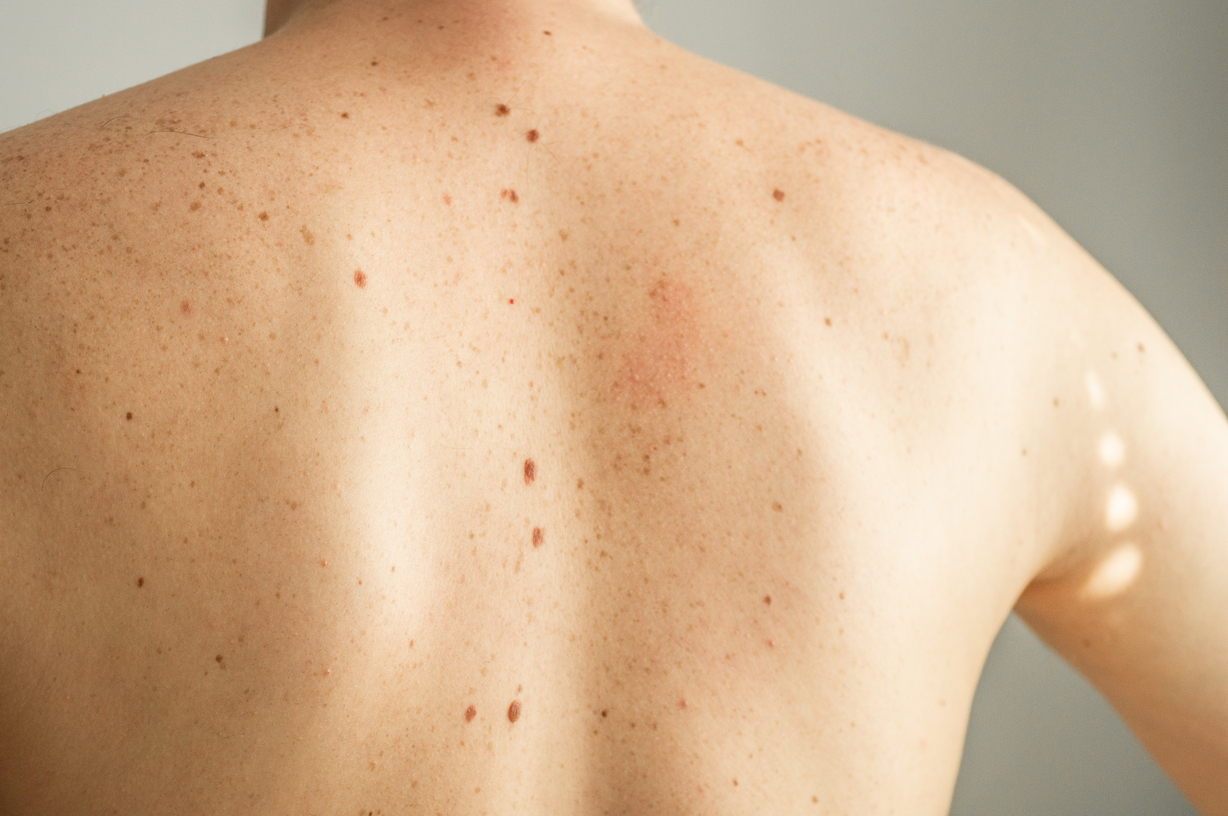
• You’ll change to comfortable garments for full skin visibility.
• High-resolution photos are taken from multiple angles to capture your entire skin surface.
• Images are stored safely in our clinical system for reference.
• On future visits, new images can be aligned with prior ones to detect subtle alterations that may be early signs of skin cancer.
A complete visual examination of your skin from head to toe under professional lighting conditions, looking for new or changing spots, moles or lesions. This forms the foundation of early detection.
Focused evaluation of one or more specific areas of concern, recommended if you’ve noticed changes or symptoms in a particular spot.
Dermatoscopy magnifies lesions to distinguish benign from suspicious, while digital mole imaging stores high-resolution images for tracking changes over time.
TBP is especially useful if you:
Total Body Photography is most effective when used as part of a long-term surveillance strategy. Depending on your personal risk profile, your clinician may recommend updates every 6–12 months or annually. High-risk patients may require more frequent monitoring.
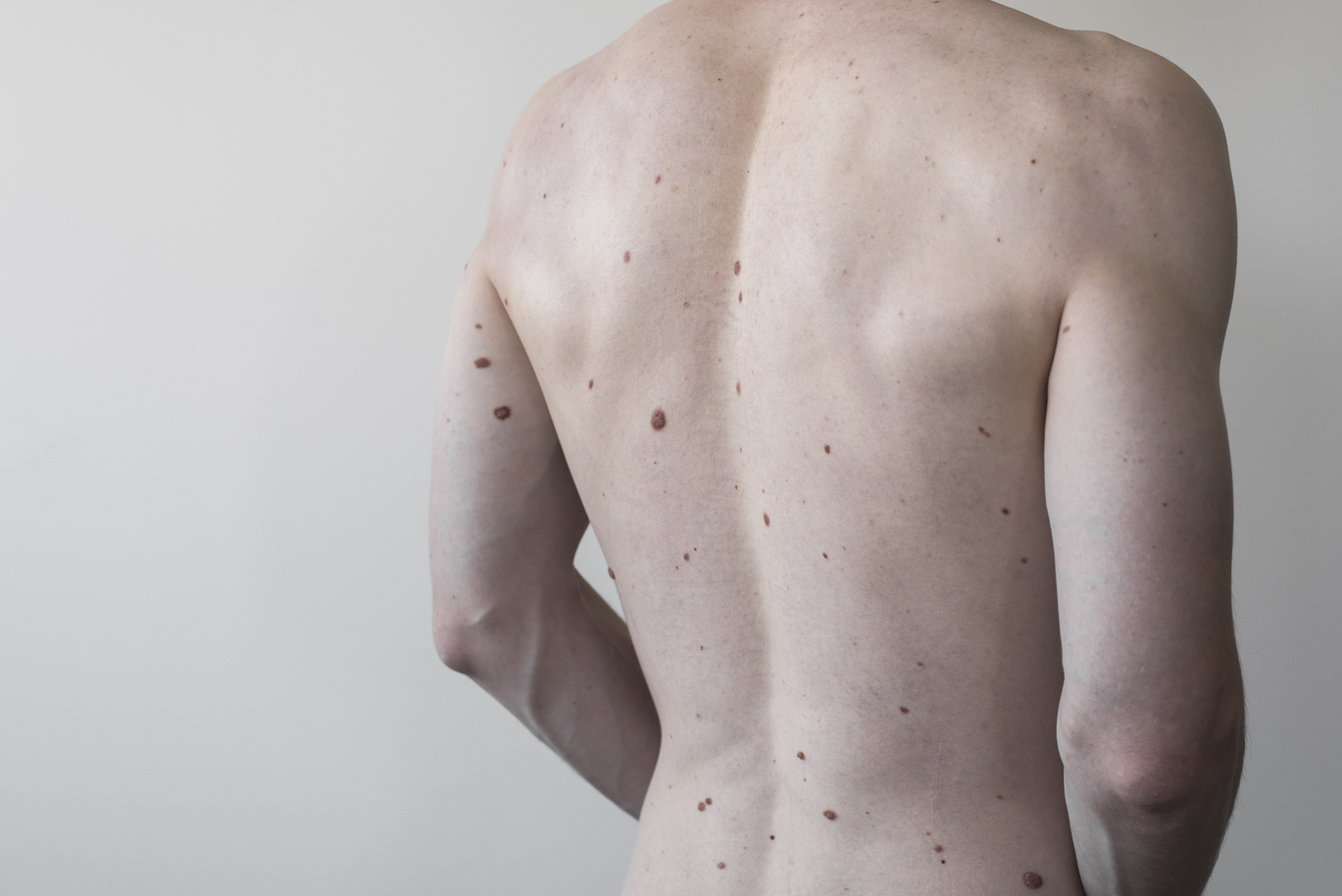
No — it’s a non-invasive imaging process that involves a series of high-resolution photos, with no discomfort.
Typically it takes a short appointment, depending on the number of images and positioning for thorough coverage.
No — TBP complements regular clinical examinations and dermatoscopy. It enhances monitoring but does not replace hands-on evaluation by a clinician.