Full Body Skin Check
Protect your skin with a thorough full body skin check at Dermadocs Skin Cancer Clinic in Parkside, Adelaide. Early professional assessment significantly boosts the chances of detecting skin cancers — including melanoma, basal cell carcinoma and squamous cell carcinoma — when they’re most treatable.
A Full Body Skin Check is a comprehensive examination of your entire skin surface — from head to toe — conducted by a clinician trained in skin cancer detection. It systematically looks for new, changing or unusual moles and lesions that could signal skin cancer or pre-cancerous conditions.
During the check, you may be asked to undress to your underwear so all skin areas can be carefully examined, including hard-to-see spots like the scalp, between fingers and toes, and behind the ears.
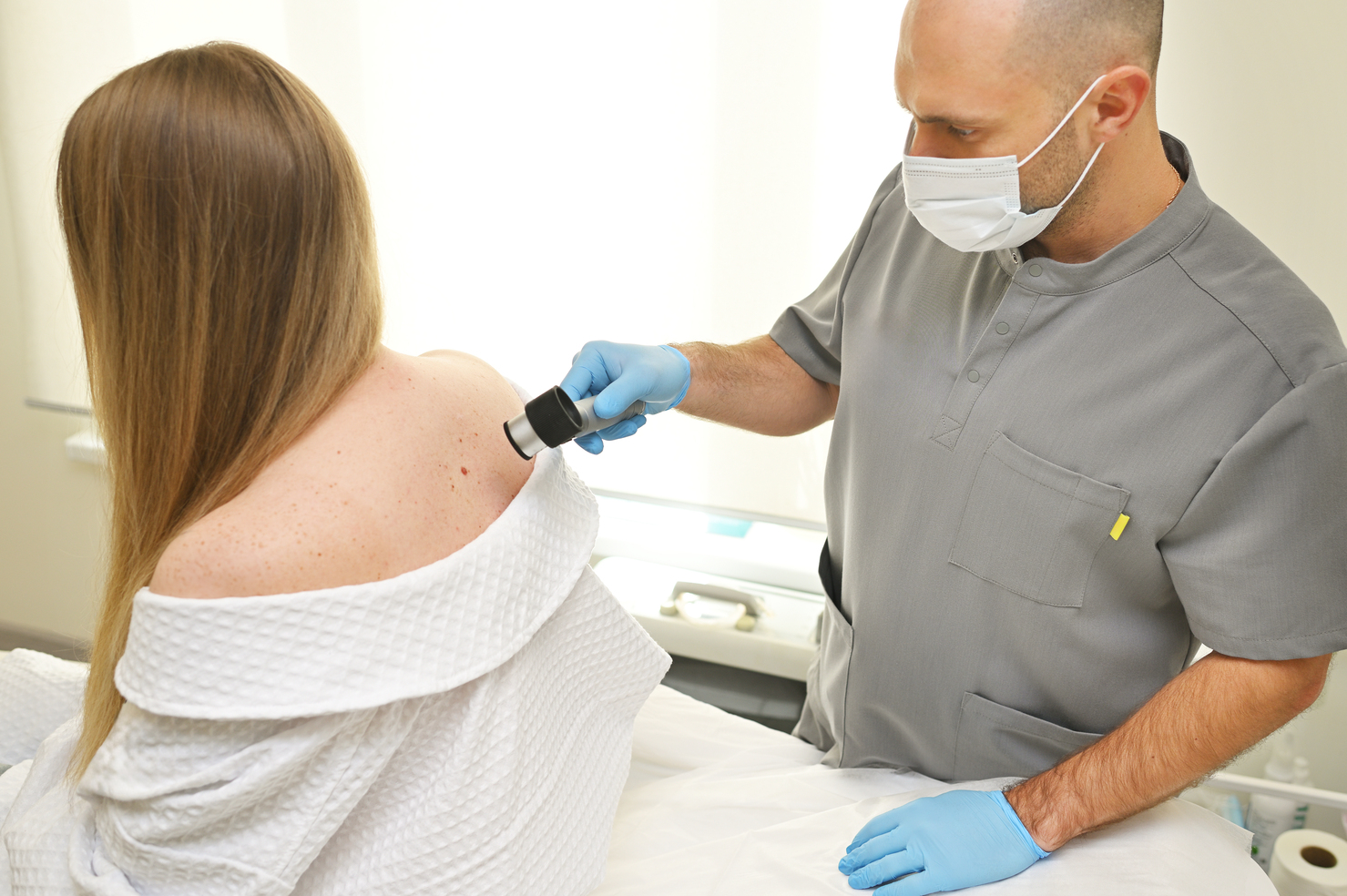
Australia has one of the highest rates of skin cancer in the world — and early detection is one of the most important steps in successful treatment. Regular professional skin checks help find skin cancers before they spread or become more dangerous.
Even small or subtle changes can be meaningful, and a trained skin cancer clinician can spot irregularities that are easily missed during self-exams.
Focused evaluation of one or more specific areas of concern, recommended if you’ve noticed changes or symptoms in a particular spot.
Dermatoscopy magnifies lesions to distinguish benign from suspicious, while digital mole imaging stores high-resolution images for tracking changes over time.
Photographic mapping of the entire skin surface to document and monitor numerous moles or lesions, especially for patients at high risk. It supports detailed comparison over time and helps reveal changes that may require intervention.
A full body skin check is recommended for anyone, but especially if you have
While self-examination at home is a good habit, it’s not a replacement for a professional check. A clinic-based full body skin check includes a careful visual inspection by a trained clinician, often using dermatoscopy, to detect signs that may not be obvious to untrained eyes.
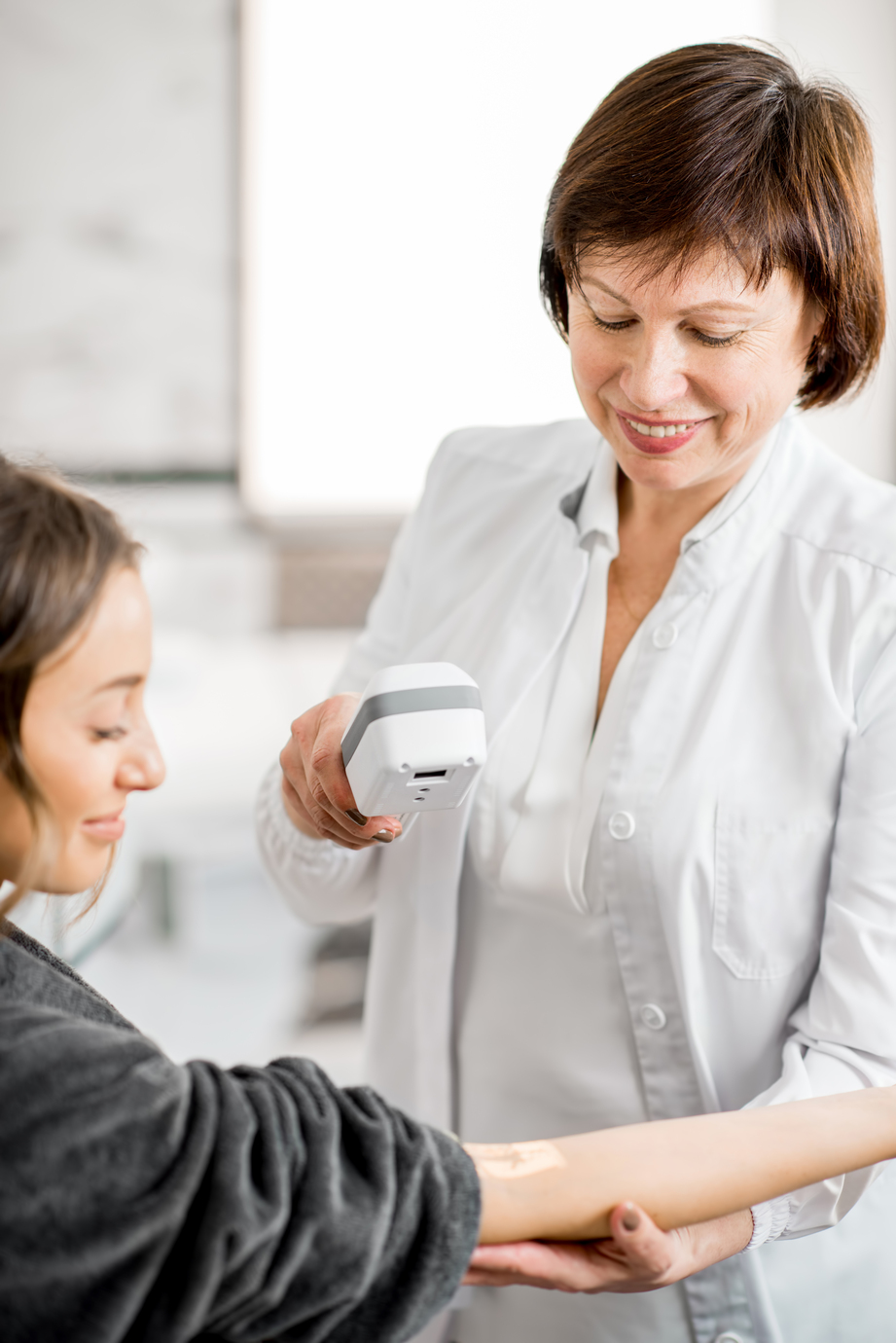
A clinician will perform a systematic inspection of your skin from head to toe, looking for unusual moles, lesions or suspicious spots. They may use a dermatoscope (magnifying tool) for close-up assessment.
Yes — you’ll be asked to change into a gown and undress to your comfort level so that all skin areas can be examined, including often missed spots like the scalp, back, between toes and behind ears.
Typically around 10–30 minutes, depending on factors like the number of moles, any areas of concern and whether photos or imaging are taken.
Annual screening is recommended for most people; however, individuals with high risk (past skin cancer, many moles, fair skin, strong family history) may need more frequent monitoring.
You don’t need special preparation, but simple steps help: avoid makeup, heavy lotions or nail polish, and wear easy-to-remove clothing so the clinician can examine your skin without obstruction.
Yes — a full body skin check includes all visible skin surfaces, and clinicians will systematically inspect areas that are hard to see on your own.
If a lesion looks concerning, the clinician may take a detailed image for comparison or recommend a biopsy. A small tissue sample may be taken and sent for lab testing to confirm whether it’s cancerous.
The skin check itself is painless and non-invasive. If a biopsy is needed, local anaesthetic is used so discomfort is minimal.