Diagnostic Follow-Up
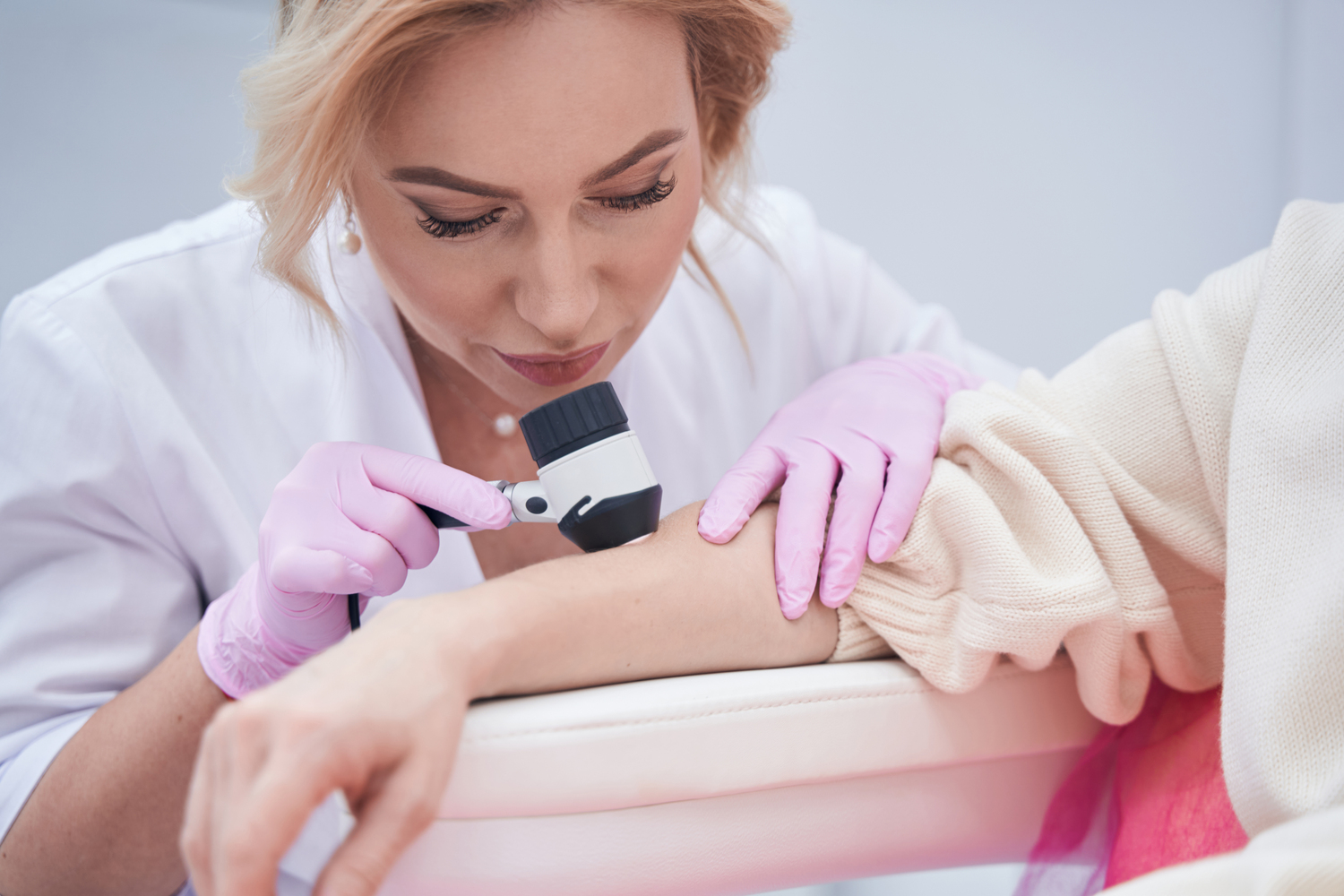
After skin cancer screening, biopsy or treatment, diagnostic follow-up is essential for ensuring your skin health is properly managed. At Dermadocs Skin Cancer Clinic in Parkside, Adelaide, we provide structured follow-up care that helps confirm results, manage recovery, track healing, and detect any new or recurring skin abnormalities early.
Diagnostic follow-up refers to the ongoing care and review after an initial skin check, biopsy or skin cancer treatment. This includes checking biopsy results, assessing wound healing, scheduling further reviews and planning future surveillance. Follow-up ensures that any findings — from benign lesions to confirmed cancers — are appropriately managed and monitored over time.

Once your skin biopsy has been analysed by a pathologist, your clinician will review the histopathology report with you, explaining whether the tissue was benign, pre-cancerous or malignant, and outlining recommended next steps. After procedures such as biopsies or excisions, your clinician will examine the site to ensure it is healing properly and to address any issues such as infection or scarring. Proper wound care at home — including gentle washing, moisturising and sun protection — also supports healing.Even when results are benign, scheduled follow-ups help detect new lesions or changes early. Dermatology guidelines often recommend check-ups every 3–6 months initially after a diagnosis or procedure, especially for higher-risk patients.
At Dermadocs Skin Cancer Clinic in Parkside, Adelaide, our experienced clinicians offer expert skin biopsy services to confirm whether a suspicious mole or lesion is cancerous and guide your personalised treatment plan.
Histopathology support is an essential part of accurate skin cancer diagnosis and treatment planning at Dermadocs Skin Cancer Clinic in Parkside, Adelaide.
Skin cancer — particularly melanoma — can return or present elsewhere on the body. Regular follow-up checks help catch such changes when they’re most treatable.
People with a history of skin cancer have an elevated risk of developing new cancers. Monitoring helps identify these at an early stage.
Follow-up visits ensure wounds after biopsies or excisions are healing and that you’re supported with care advice and any necessary referrals.
Most biopsy results are available within about 7–10 business days, though timing can vary by lab and complexity.
Your clinician will discuss next steps, including treatment options and appropriate follow-up intervals, personalised for your diagnosis.
Follow-up frequency varies, but many guidelines recommend every 3–6 months during the first few years after diagnosis or treatment.