Advanced Surgical Options
When standard excision isn’t sufficient, advanced surgical techniques ensure thorough cancer removal while preserving form, function and aesthetic outcomes. Dermadocs clinicians provide specialised surgical care for complex skin cancers and reconstructions in Parkside, Adelaide.
Advanced surgical options include specialised procedures beyond standard excision, such as:
These techniques are used when cancers are larger, in cosmetically sensitive areas (e.g., face), or require sophisticated reconstruction to restore appearance and function.
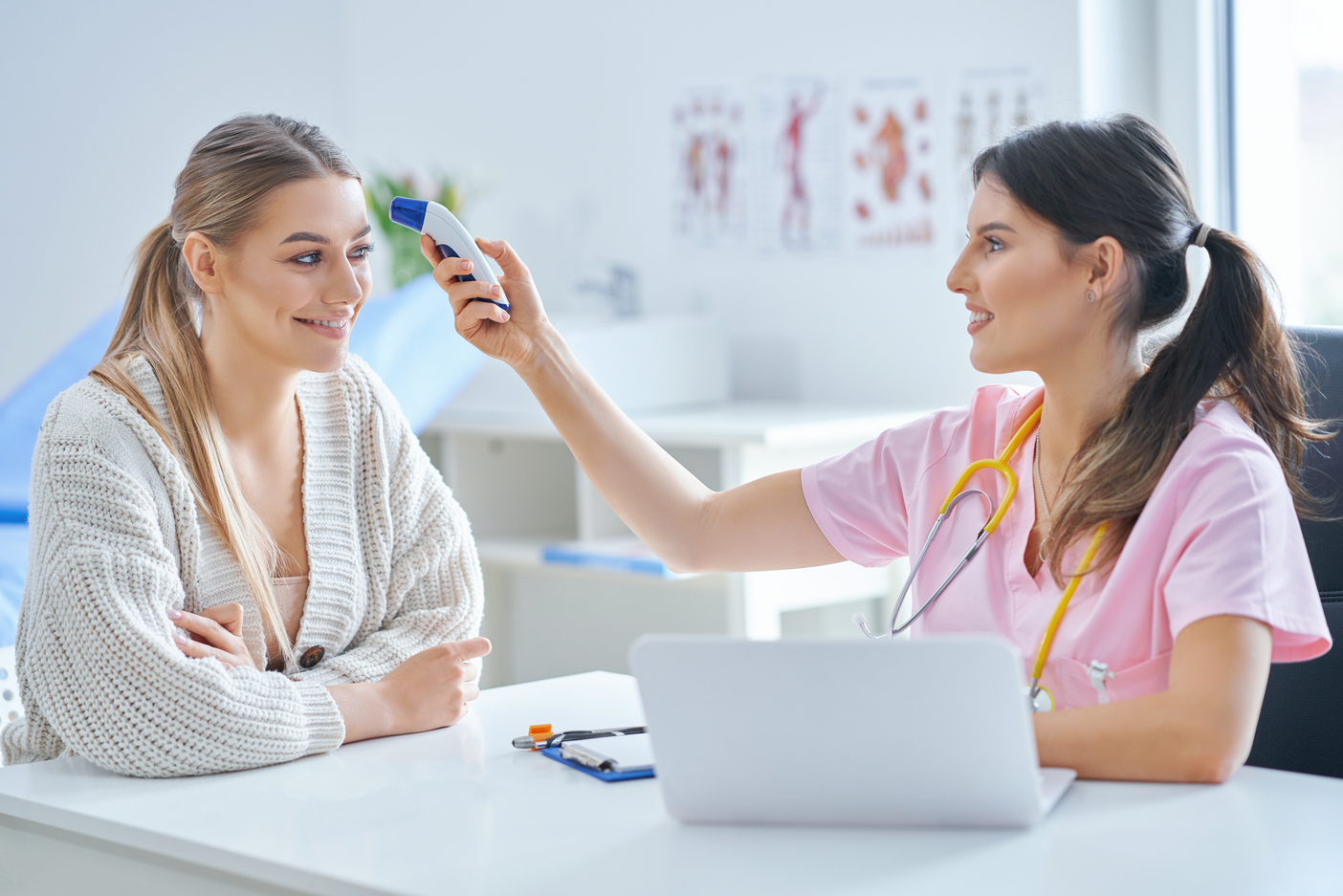
Mohs Surgery — also called Mohs micrographic surgery — is a highly precise surgical technique used for skin cancers that are high-risk, recurrent, or located on areas where tissue conservation is critical (e.g., face, ears, hands). It involves layer-by-layer removal and microscopic examination of tissue until no cancer remains, delivering very high cure rates while preserving healthy skin.
• Have poorly-defined borders • Are recurrent or aggressive • Are in areas where aesthetics matter most (e.g., face)
Surgical excision is the cornerstone of skin cancer treatment at Dermadocs Skin Cancer Clinic in Parkside, Adelaide.
Cryotherapy — also called cryosurgery — is a minimally invasive skin cancer treatment that uses extreme cold to destroy abnormal cells.
Electrodesiccation & Curettage (EDC) is a simple, effective treatment option for selected superficial skin cancers and precancerous lesions, offered by clinicians at Dermadocs Skin Cancer Clinic in Parkside, Adelaide.
Some excisions — particularly for larger or more aggressive skin cancers — leave a wound too large to close with simple stitches. In these cases, reconstructive surgical techniques are used:
Local Flaps
A local flap uses nearby skin and underlying tissue (while preserving its blood supply) to cover the surgical defect, providing a better colour and texture match and helping minimise scarring.
Skin Grafts
A skin graft involves taking healthy skin from another part of the body (e.g., thigh) and placing it over the excision site. This is often used when there’s insufficient local tissue for a flap.
Complex Reconstruction & Flap Techniques
For extensive resections, advanced reconstruction may involve rotation flaps, advancement flaps or other oncoplastic methods that help restore both function and cosmetic appearance.
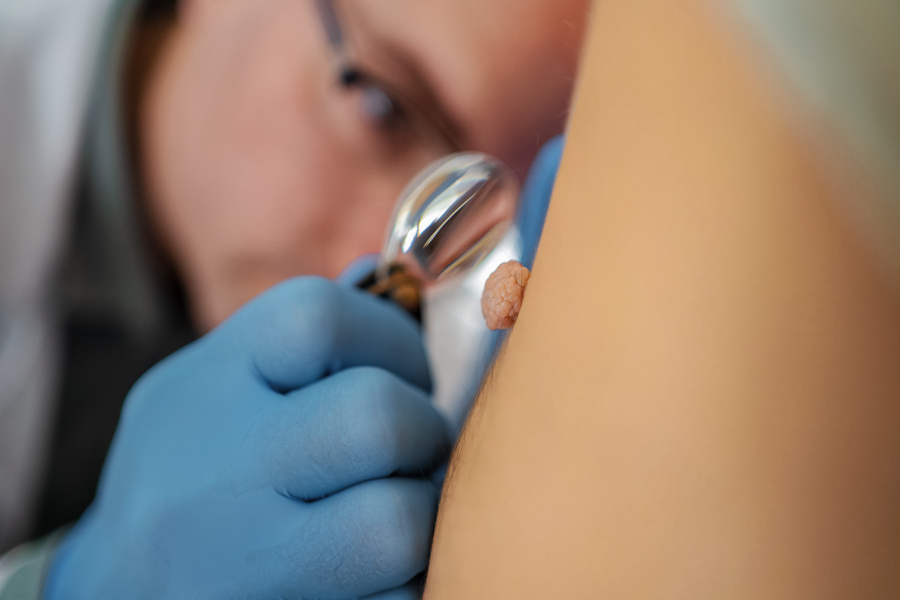
Advanced surgical options may be recommended when:
In these cases, Dermadocs clinicians tailor the surgical approach to the specific needs of the patient for optimal outcomes — balancing cancer clearance with cosmetic and functional results.
Advanced surgical procedures are typically performed under local (or occasionally general) anaesthesia, with careful planning and follow-up:
Dermadocs prioritises both effective cancer removal and patient quality-of-life in surgical decision-making.
Mohs is a precise technique for removing skin cancer layer by layer with microscopic margin control, preserving healthy tissue and improving cure rates.
Techniques such as flaps and skin grafts repair larger surgical wounds, restore appearance and function, and minimise scarring.
Most advanced skin cancer surgeries are performed under local anaesthesia; some extensive reconstructions may require sedation or hospital setting.