
UV Protection Advice
Protecting your skin from harmful ultraviolet (UV) radiation is one of the most effective ways to prevent skin damage and skin cancer. At Dermadocs Skin Cancer Clinic in Parkside, Adelaide, we provide practical, evidence-based advice on UV safety and sun protection habits suited to Australia’s high UV conditions.
Australia has some of the highest UV radiation levels in the world — even on cool or cloudy days — which makes sun protection a year-round health priority for people of all ages.
UV radiation is invisible energy from the sun that can damage skin even when it doesn’t feel hot outside. Prolonged or repeated UV exposure causes DNA damage to skin cells, increasing the risk of skin cancers like melanoma, basal cell carcinoma and squamous cell carcinoma.
Because UV damage accumulates over time, protecting your skin consistently — not just on sunny days — is essential for long-term skin health.
A simple rule to remember:
Use sun protection whenever the UV Index is 3 or above.
This level indicates enough UV radiation to potentially harm unprotected skin.
In much of Australia, including Adelaide, UV levels frequently reach 3 or higher for most of the year — meaning sun protection should be part of your daily routine.
Protective Clothing
Wear tightly woven, loose-fitting clothing with a high Ultraviolet Protection Factor (UPF) to cover as much skin as possible.
Broad-Spectrum Sunscreen
Use a broad-spectrum sunscreen with SPF 30 or higher to protect against both UVA and UVB radiation. Apply 20 minutes before going outdoors, and reapply every two hours, especially after swimming, sweating or towel drying.
Sunscreen should be part of your daily habit — not just for beach days.
Wide-Brimmed Hats
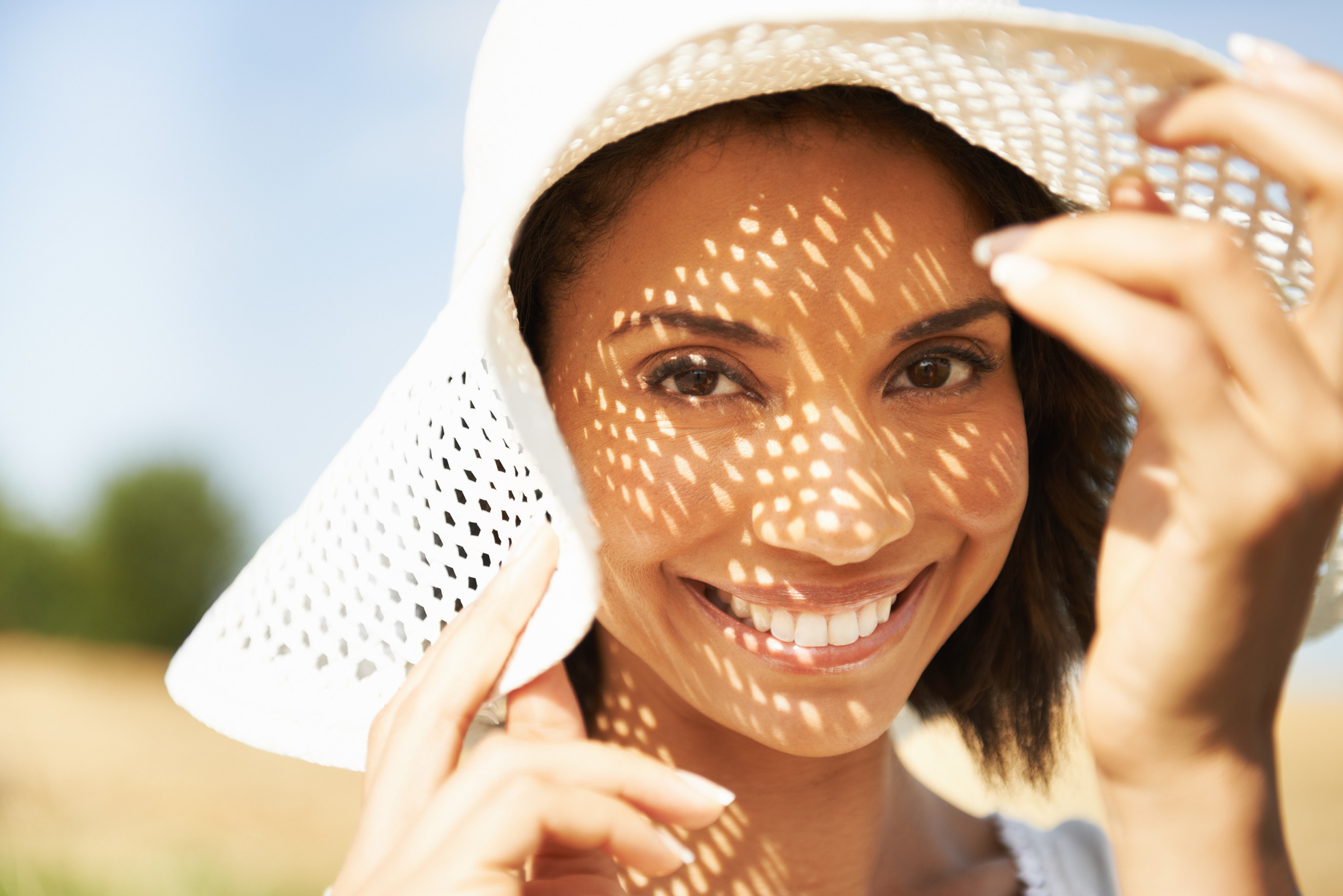
Wear hats with a wide brim (at least 7.5 cm) to shade your face, neck and ears — common sites for skin cancers.
Seek Shade
Stay in the shade, especially during peak UV hours (usually 10 a.m. to 4 p.m.) — even when it doesn’t feel hot.
UV-Blocking Sunglasses
Sunglasses that comply with Australian UV protection standards help protect both your eyes and the delicate skin around them.
At Dermadocs Skin Cancer Clinic in Parkside, Adelaide, we encourage patients to learn proper self-check techniques and understand what to look for to support early detection and skin health.
We provide expert guidance on how to minimise your risk of skin cancer through smart sun protection habits and education tailored to life in Australia, where ultraviolet (UV) radiation levels are among the highest in the world.
UV rays can still damage your skin:
While UV exposure helps the body produce vitamin D, overexposure is not necessary to achieve healthy levels, and protection should not be sacrificed solely for sun exposure. Talk to your clinician or GP about vitamin D if you’re concerned, especially during lower UV periods.
The UV Index measures the strength of sun’s UV radiation; protection is recommended when it reaches 3 or above.
Apply at least every two hours, and more often after swimming or sweating.
Yes — UV radiation can still be high even when it’s cloudy, so protection is still needed.