
Self-Check Guides
Regular self-examination of your skin empowers you to notice new or changing spots early — helping identify suspicious lesions before they become more advanced. At Dermadocs Skin Cancer Clinic in Parkside, Adelaide, we encourage patients to learn proper self-check techniques and understand what to look for to support early detection and skin health. Early detection significantly improves outcomes for all types of skin cancer.
Performing a monthly self-skin check helps you become familiar with your own skin and spot any changes that could indicate early skin cancer. Even small changes, such as a new mole or noticeable evolution in an existing spot, are worth professional review.
Dermadocs experts recommend combining these self-checks with regular clinical examinations for the best possible detection and prevention strategy.
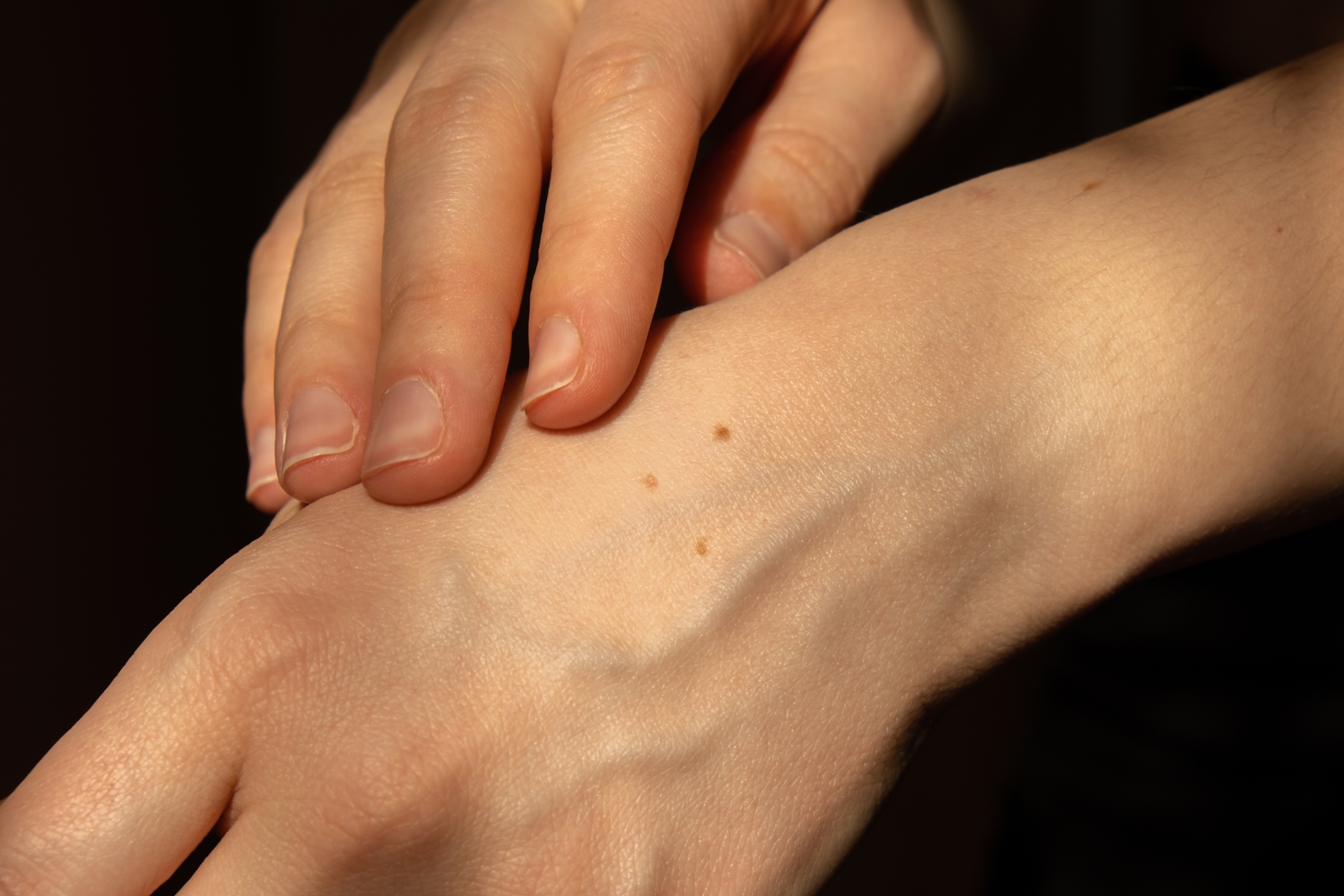
To do a thorough self-examination
Step 1 — Get Ready
Step 2 — Head-to-Toe Inspection
Go systematically so you don’t miss any areas:
A helpful way to evaluate moles and skin spots is the ABCDE method — a common guideline to highlight features that warrant medical review:
These signs don’t mean a spot is cancer — but they are reasons to have it reviewed by a clinician promptly.
We provide expert guidance on how to minimise your risk of skin cancer through smart sun protection habits and education tailored to life in Australia, where ultraviolet (UV) radiation levels are among the highest in the world.
At Dermadocs Skin Cancer Clinic in Parkside, Adelaide, we provide practical, evidence-based advice on UV safety and sun protection habits suited to Australia’s high UV conditions.
If you notice
Dermatology guidelines recommend a detailed self-examination every month to notice changes early.
A bright light, a full-length mirror, a hand mirror, and optionally photos to track changes over time.
No — self-checks help you track changes, but regular professional full-body skin exams remain essential, especially for high-risk individuals.