Skin Surveillance
Skin surveillance is an ongoing monitoring program designed to detect new or recurring skin cancers early and accurately. At Dermadocs Skin Cancer Clinic in Parkside, Adelaide, structured skin surveillance helps you stay on top of changes in your skin, especially if you’re at increased risk because of prior skin cancers, numerous moles, sun-damage or family history.
Skin surveillance is more than a single skin check — it’s a long-term strategy involving regular clinical assessments, documented imaging and tracking of lesions over time to catch subtle changes before they become more serious. It’s especially important for patients with a personal history of skin cancer, multiple or atypical moles, or significant UV exposure.
A recognised skin surveillance program typically combines:
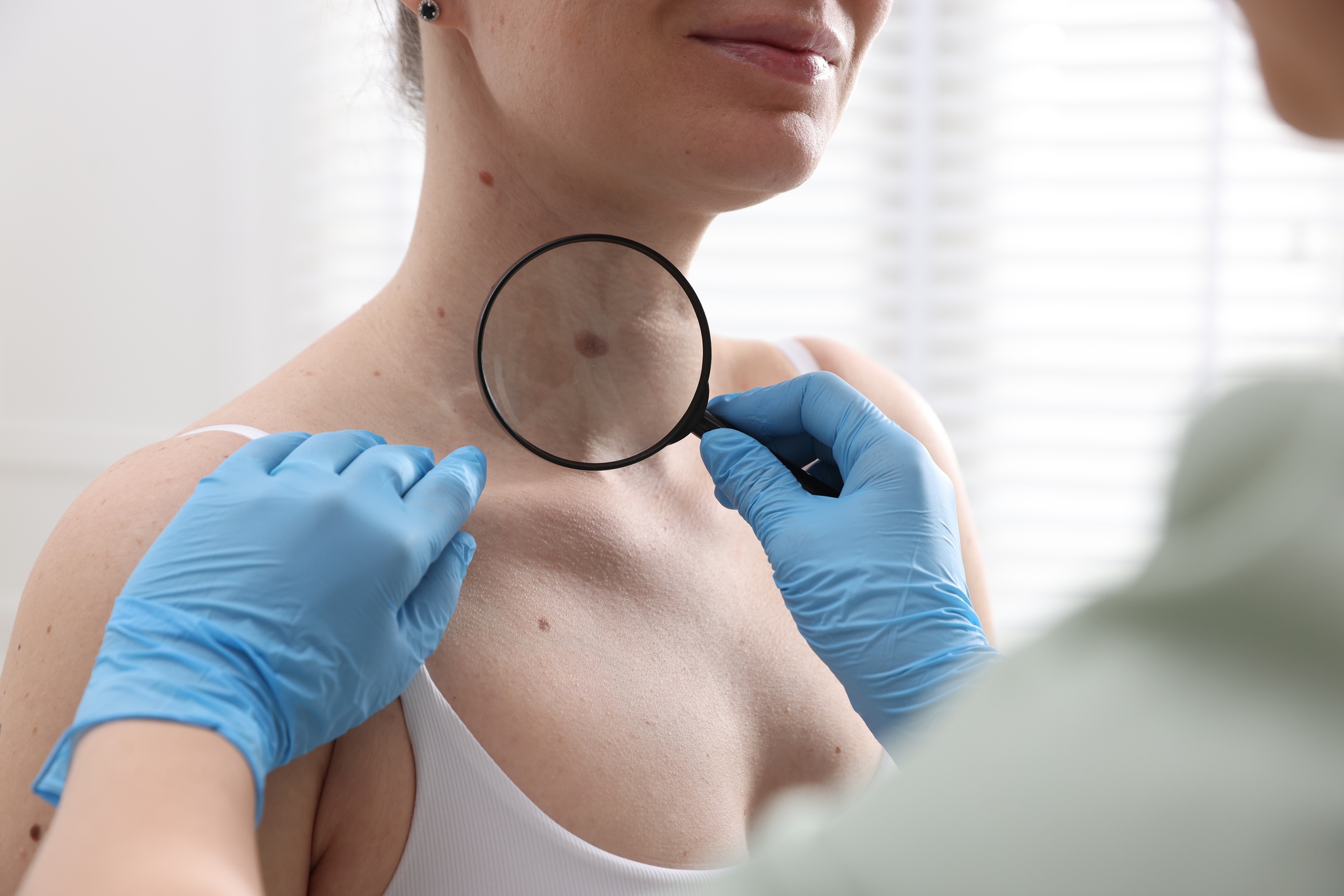
• Helps identify new skin cancers early — often before symptoms appear • Tracks subtle changes in existing moles or lesions using imaging • Provides documented comparisons over time to improve diagnostic accuracy • Reduces the risk of advanced melanoma and other aggressive skin cancers
Dermadocs recommends skin surveillance for patients who:
Regular skin surveillance helps clinicians detect changes that might be missed during unscheduled checks or simple self-exams. Documenting lesions and consulting at set intervals improves the chance of early intervention — when treatment outcomes are best.
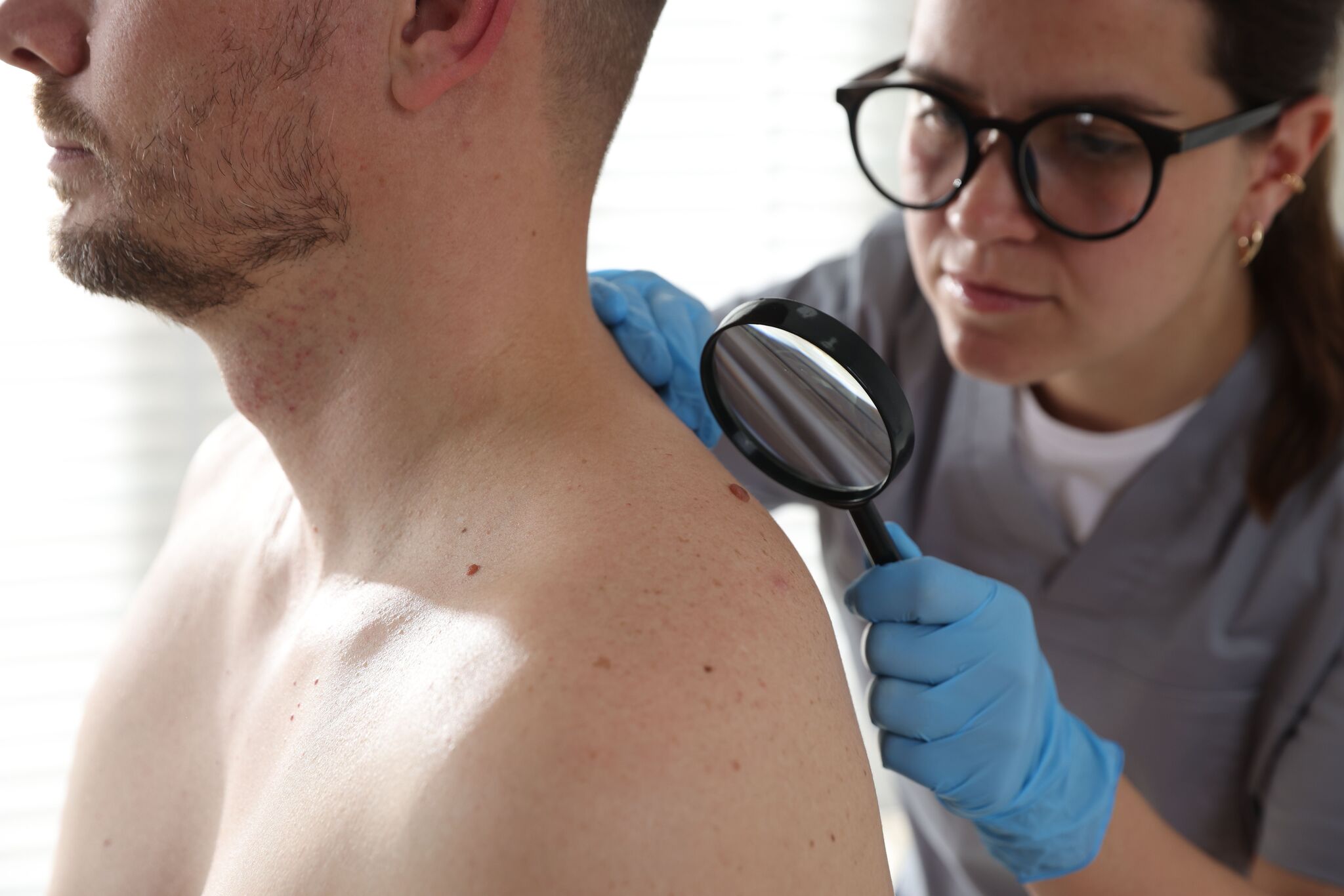
Your clinician will personalise the schedule based on risk — commonly every 6–12 months for high-risk patients.
A skin check is a single examination, while surveillance is an ongoing program that tracks lesions over time with regular assessments and imaging.
Yes — advanced imaging like digital dermatoscopy helps document lesions for comparison during future visits.