
Cryotherapy
Cryotherapy — also called cryosurgery — is a minimally invasive skin cancer treatment that uses extreme cold to destroy abnormal cells. At Dermadocs Skin Cancer Clinic in Parkside, Adelaide, cryotherapy is offered for specific superficial lesions and pre-cancerous skin conditions to help treat or prevent progression to skin cancer.
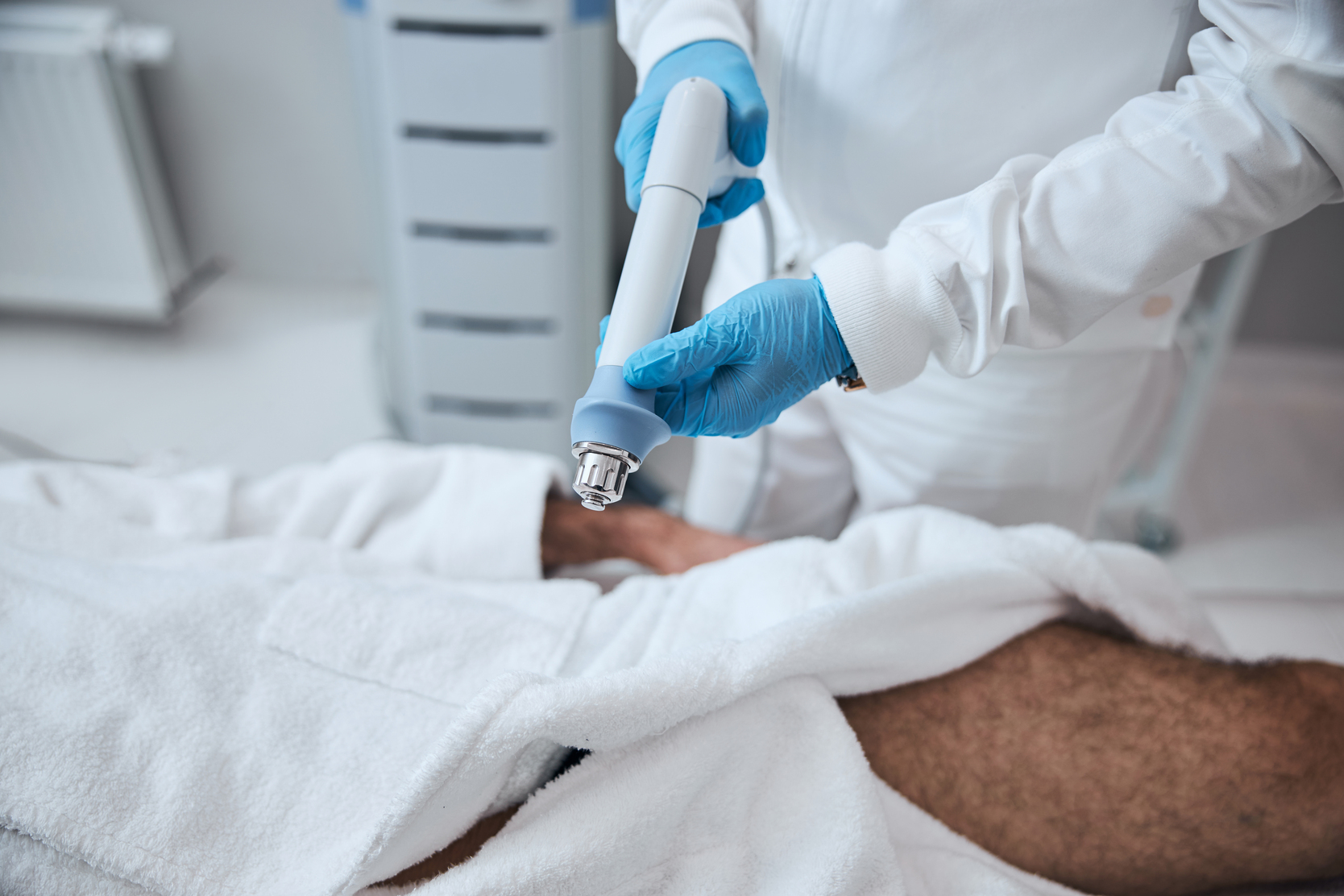
Cryotherapy is a medical freezing treatment that uses very cold substances — most commonly liquid nitrogen — to target and destroy abnormal skin tissue. The freezing causes ice crystals to form inside the targeted cells, damaging them and ultimately causing those cells to die.
In dermatology, cryotherapy is typically an outpatient procedure performed in-clinic, often under local anaesthetic if needed, and can be repeated as required for optimal results.
• Actinic keratoses (sun-damage precancerous lesions) — helps prevent progression to skin cancer. • Superficial basal cell carcinoma (BCC) — small, early cancers on the skin surface. • Squamous cell carcinoma in situ (Bowen’s disease) — early forms where cancer hasn’t invaded deeply. • Select benign or precancerous growths when appropriate clinical criteria are met.
Electrodesiccation & Curettage (EDC) is a simple, effective treatment option for selected superficial skin cancers and precancerous lesions.
Surgical excision is the cornerstone of skin cancer treatment at Dermadocs Skin Cancer Clinic in Parkside, Adelaide.
When standard excision isn’t sufficient, advanced surgical techniques ensure thorough cancer removal while preserving form, function and aesthetic outcomes.
Benefits of cryotherapy include:
Minimally Invasive: No large incisions or traditional surgery needed.
Quick Procedure: Usually done in-office with little preparation.
Low Recovery Time: Most patients resume normal activities soon after.
Treats Superficial and Precancerous Lesions: Effective for early-stage, surface-level abnormalities.
After cryotherapy:
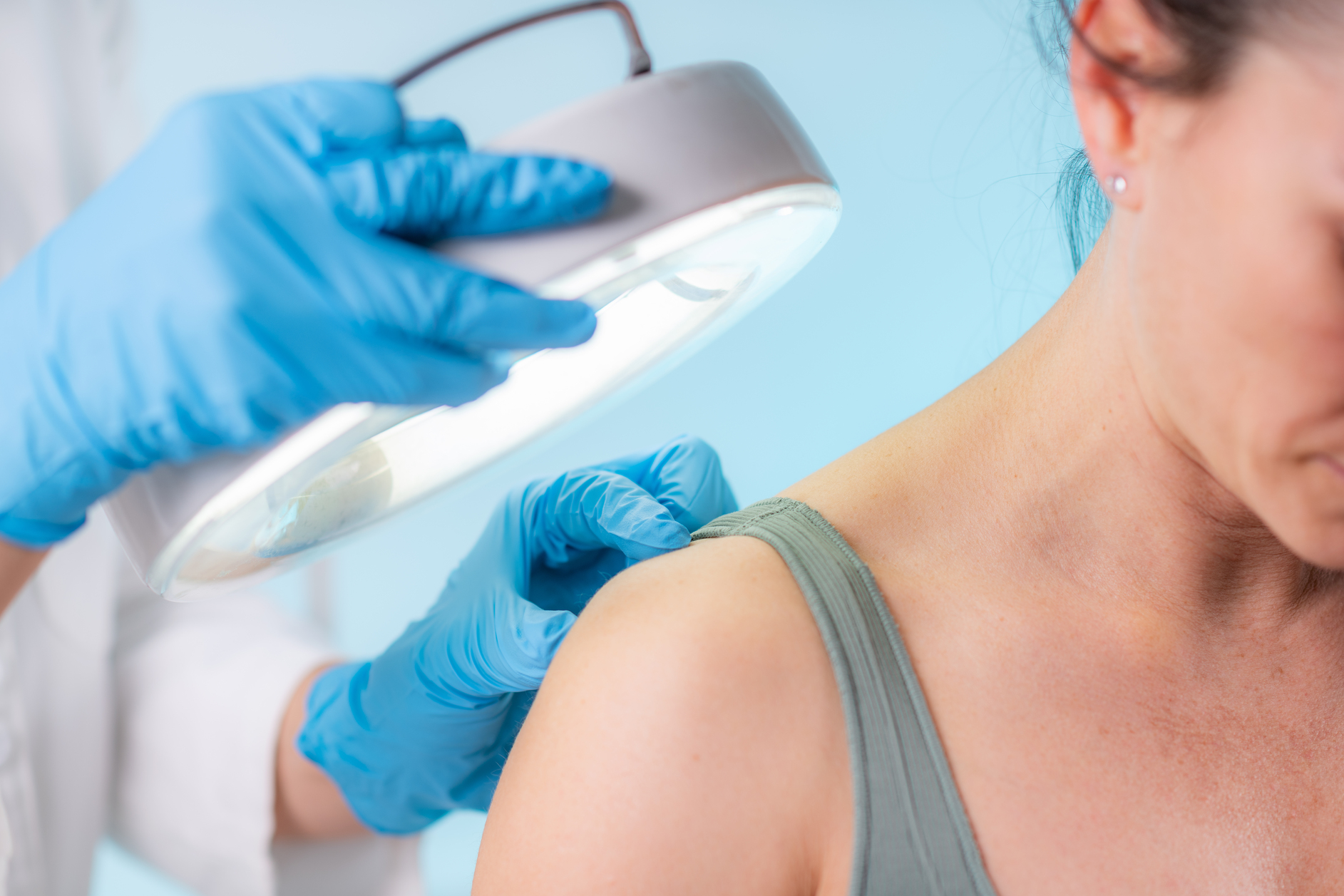
A mild stinging or freezing sensation is common during the application, but the procedure is generally well-tolerated.
The treated area may blister and scab over several weeks; complete healing can take up to 4–6 weeks depending on lesion size and location.
Some scarring or change in skin colour can occur; your clinician will discuss this and alternative options if scarring is a concern.