
Surgical Excision
Surgical excision is the cornerstone of skin cancer treatment at Dermadocs Skin Cancer Clinic in Parkside, Adelaide. This precision surgical procedure is used to remove confirmed or suspicious skin cancers — along with a margin of healthy tissue — to maximise the likelihood of complete cure and support long-term skin health.
Surgical excision is a medical procedure that surgically removes a cancerous or suspicious lesion, along with a small margin of normal-looking skin, to ensure all cancer cells are removed. The excised sample is then sent for histopathological examination to confirm the diagnosis and assess whether the margins are clear of cancer.
This method is the most common treatment for basal cell carcinoma (BCC) and squamous cell carcinoma (SCC) and is also used for other cancers including melanoma where appropriate.
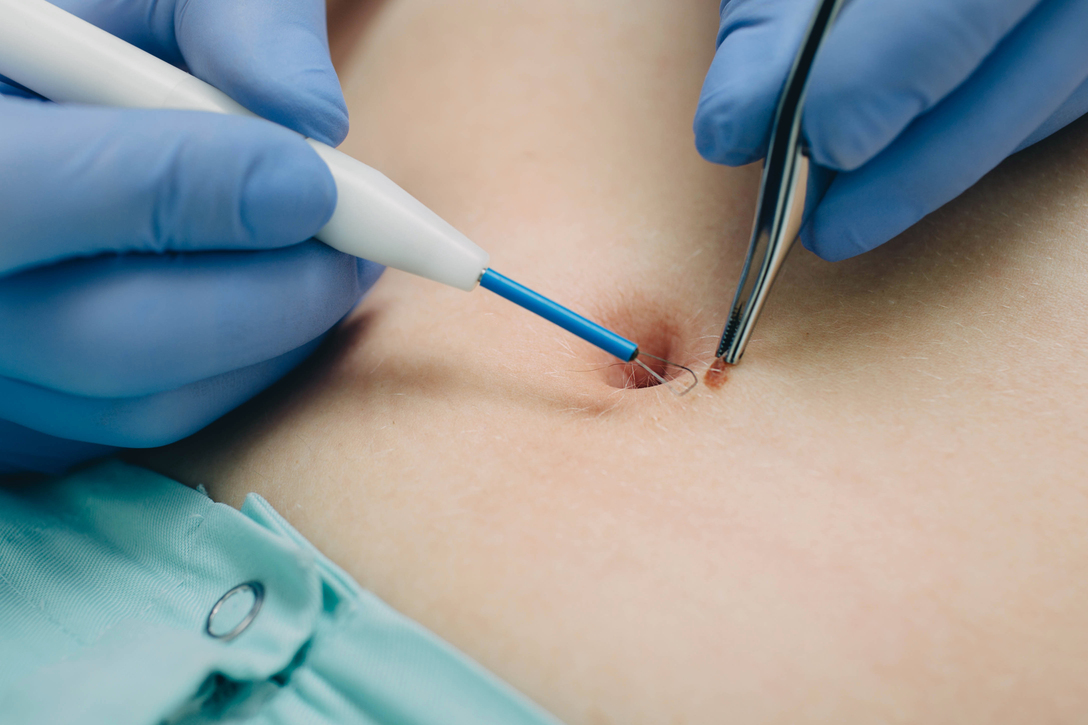
• Complete removal: Excising both the lesion and a generous margin increases the chance of removing all cancerous cells and reduces recurrence risk. • Diagnostic confirmation: The excised tissue undergoes histopathology to confirm the exact type of cancer and completeness of removal. • Versatile treatment: Surgical excision is suitable for many types of skin cancer, including melanoma when indicated.
Electrodesiccation & Curettage (EDC) is a simple, effective treatment option for selected superficial skin cancers and precancerous lesions.
Cryotherapy — also called cryosurgery — is a minimally invasive skin cancer treatment that uses extreme cold to destroy abnormal cells.
When standard excision isn’t sufficient, advanced surgical techniques ensure thorough cancer removal while preserving form, function and aesthetic outcomes.
Surgical excision is recommended when a lesion is:
Confirmed or highly suspicious for skin cancer after screening and/or biopsy
Irregular in shape or changing over time
Located on areas where complete removal with clear margins is essential
After excision:
✔ Follow-up care ensures the wound is healing properly
✔ Your clinician will review pathology results and advise if further treatment is needed
✔ Regular skin checks continue to monitor for new or recurrent lesions
Proper sun protection, self-monitoring and routine professional checks help protect your skin long term.
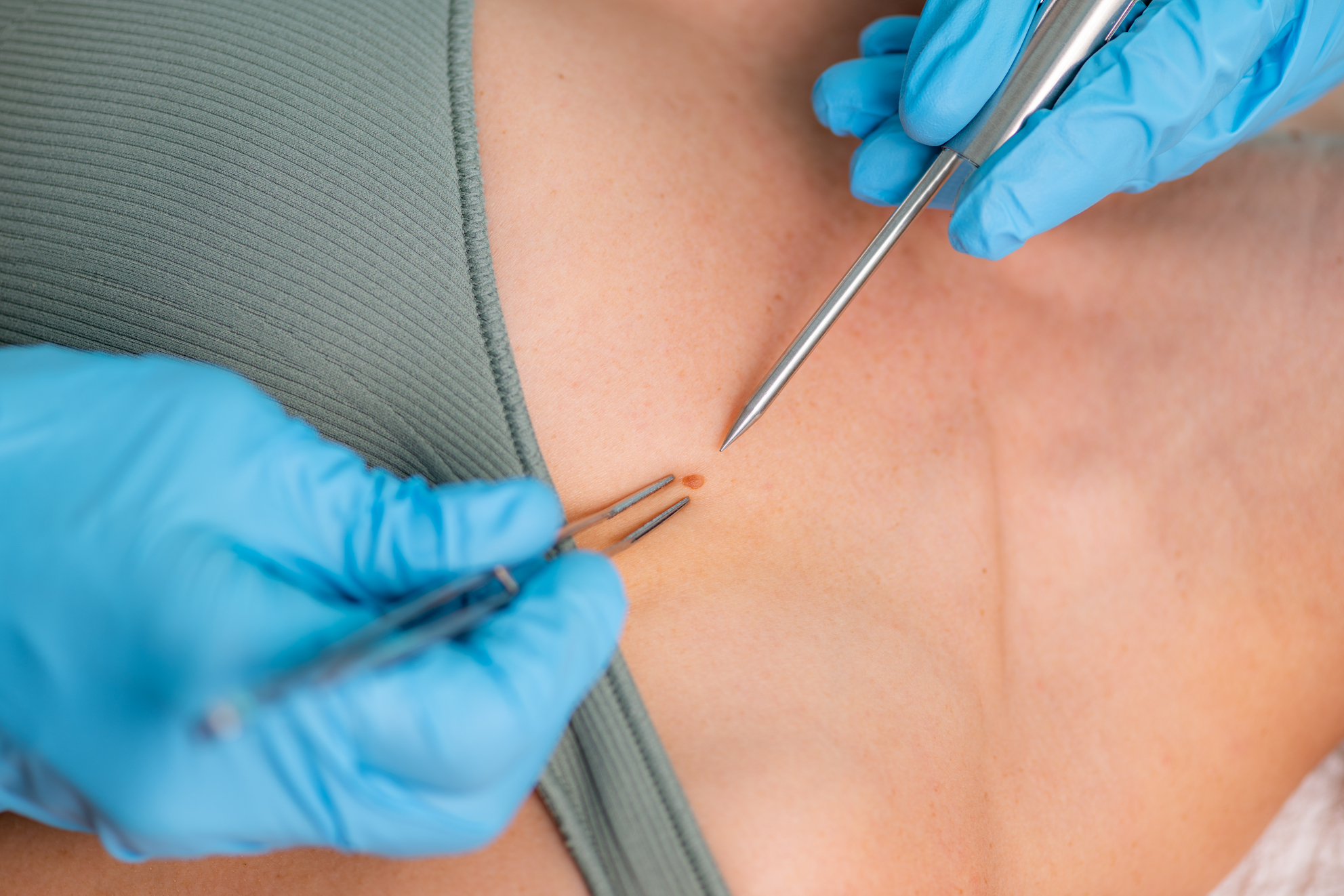
No — local anaesthesia ensures minimal discomfort during the procedure, though some tenderness can be expected afterwards.
Most wounds begin healing in 1–2 weeks, with full recovery depending on lesion size and location.
All surgical procedures can leave a scar. Your clinician will discuss how scarring may be minimised based on the lesion’s size and placement.