
Histopathology Support
Histopathology support is an essential part of accurate skin cancer diagnosis and treatment planning at Dermadocs Skin Cancer Clinic in Parkside, Adelaide. When a biopsy is taken, histopathology is the microscopic examination of skin tissue that determines whether cells are benign, pre-cancerous, or malignant — guiding your clinician on the best next steps for care.
Histopathology is the study of tissue disease, performed when a sample (usually collected during a skin biopsy) is processed and examined under a microscope by a specialist pathologist. It forms the scientific basis for diagnosing many cancers and other diseases based on cellular and tissue changes that are not visible to the naked eye.
In the context of skin cancer, histopathology tells clinicians whether a lesion is cancerous (such as melanoma, basal cell carcinoma or squamous cell carcinoma) and supplies detailed information about its characteristics.
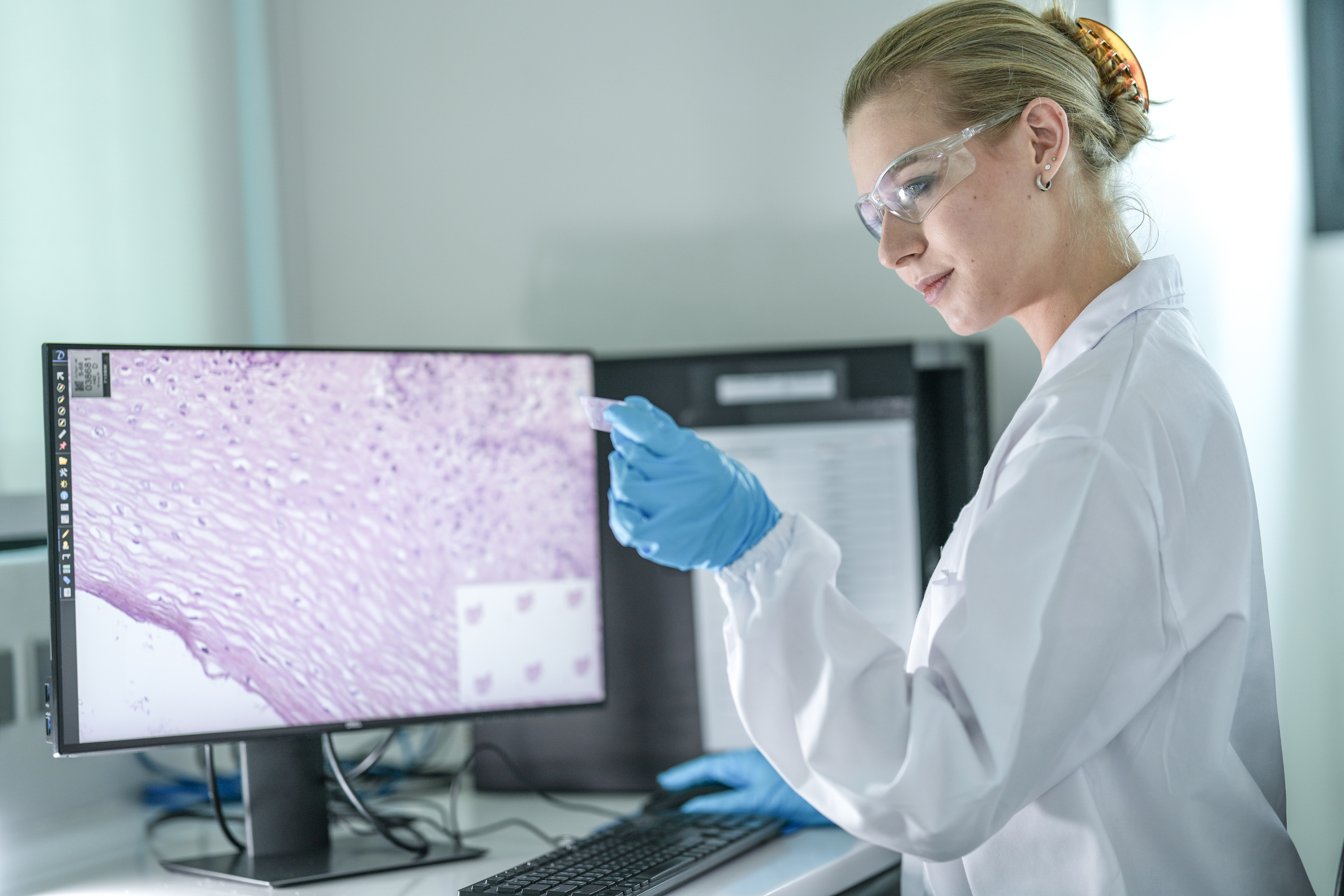
• Sample Processing — The biopsy tissue is fixed, sectioned and stained so that it can be examined under a microscope. • Microscopic Examination — A histopathologist — a doctor specialised in analysing tissue — examines the slides, noting cell structure, arrangement and abnormalities. • Diagnostic Report — The histopathology report describes what was found, including whether the lesion is benign or malignant and any features that may influence treatment. • Clinical Discussion — Your Dermadocs clinician will review the results with you and recommend next steps based on the findings.
At Dermadocs Skin Cancer Clinic in Parkside, Adelaide, our experienced clinicians offer expert skin biopsy services to confirm whether a suspicious mole or lesion is cancerous and guide your personalised treatment plan.
After skin cancer screening, biopsy or treatment, diagnostic follow-up is essential for ensuring your skin health is properly managed.
Definitive Diagnosis: Provides a clear answer on the nature of the lesion.
Treatment Planning: Helps determine the extent of surgical removal or further therapy.
Surveillance Strategy: Informs follow-up schedules and risk assessment.
Without histopathology, clinicians would be unable to reliably differentiate between benign growths and cancers that require urgent treatment.
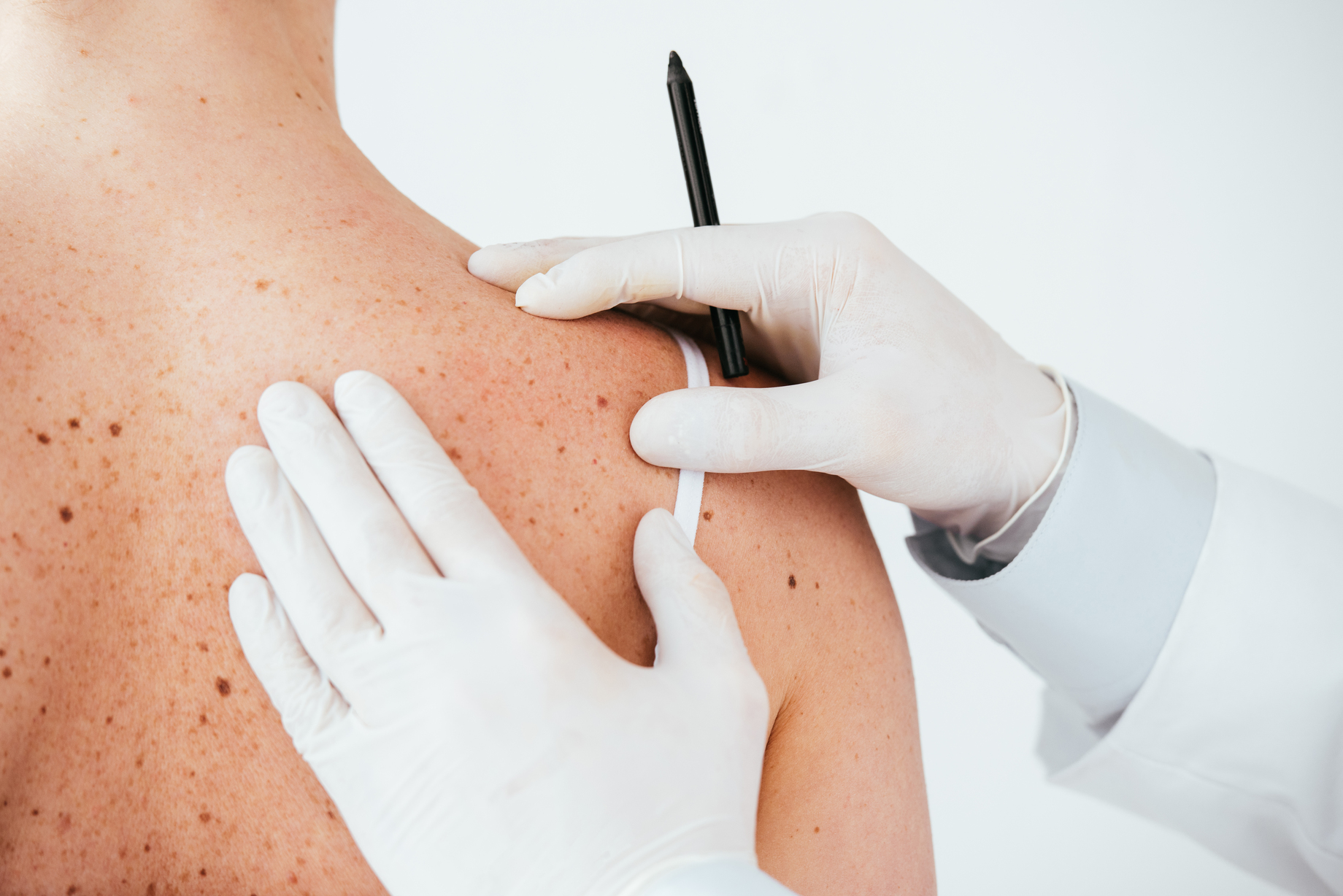
A biopsy collects tissue; histopathology examines that tissue under a microscope to make a diagnosis.
Results typically return in a few days to a couple of weeks, depending on the case and lab requirements.
Yes — processing and microscopic analysis are essential to confirm the nature of the tissue and guide treatment.